Third graders are at an age where they crave independence yet still thrive on hands‑on exploration. Creative expression offers a much‑needed break from academic pressure. According to We Are Teachers, art provides a powerful outlet for expression, is therapeutic, and helps children unplug from digital devices. Simple projects are ideal for filling classroom downtime and early‑finisher moments. The ideas below use inexpensive materials, teach important concepts and are suitable for home or classroom.
Key Takeaways:
Third graders benefit from simple, hands-on art projects that build creativity and fine-motor skills.
Low-prep activities like leaf collages, name art, and thumbprint bugs require inexpensive materials.
Mixed-media options—watercolor galaxies, bubble-wrap printing, cardboard sculptures—teach pattern, color, and texture.
Many projects integrate easily with literacy, science, and SEL lessons.
Activities promote self-expression, problem-solving, and joyful experimentation.
Nature and Recycling Projects
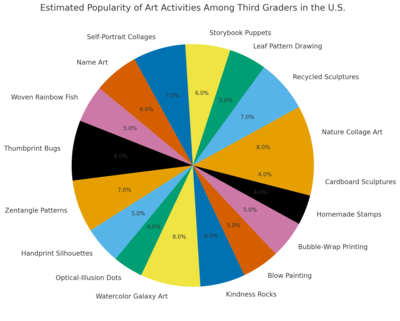
- Nature collage art – You should take a short nature walk to collect leaves, petals, bark and grass. Children arrange the items on paper or cardboard and glue them into a landscape or abstract collage. This project encourages careful observation, pattern recognition and appreciation of the environment. Try pressing leaves between books for a few days or making leaf rubbings with crayons for added texture.
- Recycled sculptures – Gather cardboard boxes, bottle caps, paper rolls, and tape to build robots, fantasy cities or animals. After assembling, paint the sculptures. Children learn about sustainability while practicing problem‑solving. Challenge students to design a sculpture that moves or has a purpose, such as a tiny vehicle.
- Leaf pattern drawing – There are projects where students draw a large leaf outline and divide it into sections, coloring each section with crayon patterns and painting over it with watercolor. The combination of crayon and watercolor creates a multi‑dimensional print. This simple activity teaches color blending and pattern design.
Creative Paper and Collage Projects
- Storybook character puppets – Encourage literacy by having children create puppets from paper bags, socks or craft sticks. They add yarn hair and decorate with markers or felt to represent characters from favorite books. Students can then retell or reimagine the story through puppet shows.
- Self‑portrait collages – Provide magazines, printed photos and paper. Children cut out eyes, lips, colours and textures to assemble a self‑portrait. This project promotes self‑expression and emotional awareness, especially when paired with social‑emotional learning lessons.
- Name art & checkerboard names – Writing names in bubble or block letters across a sheet of paper is great, then using a ruler to create vertical and horizontal lines so that the page becomes a checkerboard. Students color alternating boxes, creating a vibrant pattern over their names. This project strengthens ruler skills and pattern recognition.
- Woven rainbow fish – Use a fish cut‑out and strips of colorful paper to weave a rainbow pattern. We Are Teachers notes that this activity improves hand‑eye coordination and introduces basic sewing concepts. It’s challenging enough for upper elementary students while still being simple to set up.
- Thumbprint bugs – Dip thumbs in washable ink or paint and make thumbprints on paper. Students turn the prints into caterpillars, ladybugs or imaginary creatures using markers. This quick activity complements science lessons about insects and allows kids to invent their own bug species.
Drawing and Pen‑and‑Paper Projects
When supplies are limited, pen‑and‑paper projects require minimal prep. Brain Ninjas recommends several that fit a 40‑minute class:
- Zentangle patterns – Zentangle is a meditative drawing method that encourages concentration and creativity. Students fill small boxes or shapes with repetitive patterns using fine‑tipped pens. The result is an abstract design that looks complex but is simple to create.
- Handprint silhouettes – Children trace their handprints and draw symbols, patterns or doodles inside the outline to represent their interests. They decorate the space outside the hand with contrasting patterns, learning about positive and negative space.
- Optical‑illusion dots – Place five dots across the center of a horizontal page and connect them with alternating curved lines to form a wave. Continue the pattern until the page is full. This activity teaches about rhythm and line direction.
Painting and Mixed‑Media Projects
- Watercolor galaxy art – Paint swirls of blues, purples and pinks on black paper. Sprinkle salt on the wet paint to create a starry texture and then brush off the salt when dry. Adding white paint splatters with a toothbrush creates extra stars. Students learn about color blending and can tie the project to astronomy lessons.
- Painted kindness rocks – Smooth stones become canvases for positive messages like “Be Kind” or “You’re Loved.” Children paint cheerful designs and write uplifting words. Teachers can encourage students to hide the rocks around school or neighborhoods as random acts of kindness.
- Blow painting – Drop paint onto paper and use straws to gently blow the paint into interesting shapes. The unpredictability of the paint trails excites students and introduces basic fluid dynamics.
- Bubble‑wrap printing – Use bubble wrap as a paint stencil to create abstract textures. Bubble wrap produces great patterns and makes for a fun sensory experience.
- Homemade stamps and prints – Carve simple shapes into potatoes, sponges or craft foam, dip them in paint, and stamp onto paper. This teaches repetition, symmetry and pattern‑making. Tie the activity to math by exploring tessellations or discussing shape properties.
- Cardboard sculptures & 3‑D building – Encourage kids to cut different sizes of cardboard, slide them onto skewers or dowels, and secure them in clay. Painting the assembled pieces allows endless creativity, and the project helps develop spatial reasoning and fine‑motor skills.
Tips for a Fun Art Experience
- Keep supplies simple – Many projects use recyclable materials, pens, paper or basic paints.
- Integrate learning – Tie art to other subjects. Nature collages connect to science lessons on plants, and galaxy art can launch discussions about space. Storybook puppets improve literacy.
- Encourage imagination – Projects like recycled sculptures or thumbprint bugs let children invent creatures or structures, fostering problem‑solving and creative thinking.
- Highlight positivity – Painting kindness rocks promotes empathy and community service.
- Celebrate individuality – Self‑portrait collages and name art allow students to express personal identity.
Simple Art Project FAQ:
Simple art projects for third graders include nature collages, self-portrait collages, name art, thumbprint bugs, watercolor galaxy paintings, cardboard sculptures, and bubble-wrap printing. These activities use inexpensive materials and can be done at home or in the classroom with minimal preparation.
Simple art projects help third graders develop creativity, fine-motor skills, emotional expression, and problem-solving abilities. They also support academic subjects—such as science, math, and literacy—by building connections through hands-on learning and visual interpretation.
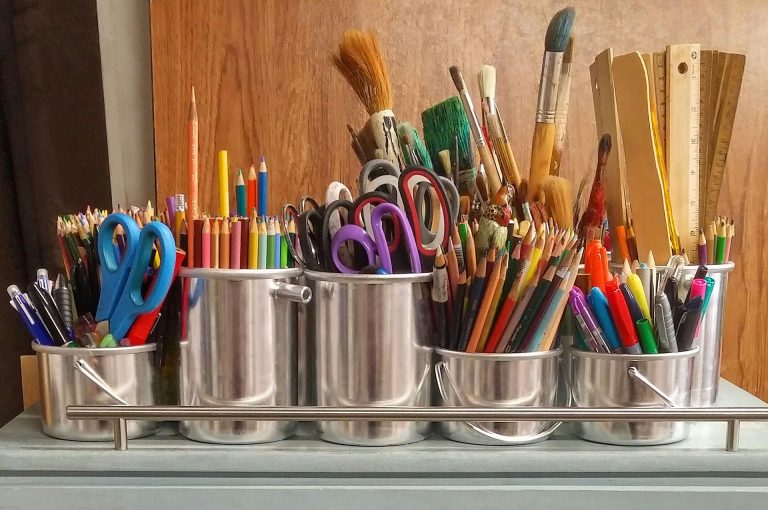
Most projects require only basic supplies: paper, crayons, markers, glue, paint, cardboard, recycled items, craft sticks, yarn, leaves, or bubble wrap. These low-cost materials make it easy for teachers and families to offer frequent, engaging art experiences.